Exploring the rich history of casinos around the world
The Origins of Gambling
The concept of gambling dates back thousands of years, with evidence suggesting that ancient civilizations engaged in games of chance using rudimentary tools. From the early Chinese dice games to the betting practices of the Roman Empire, gambling was woven into the fabric of society. These early forms of gaming set the stage for the development of more structured environments where gambling could thrive, eventually leading to the establishment of casinos. Today, many players prefer bitcoin casinos for their unique features and modern conveniences.
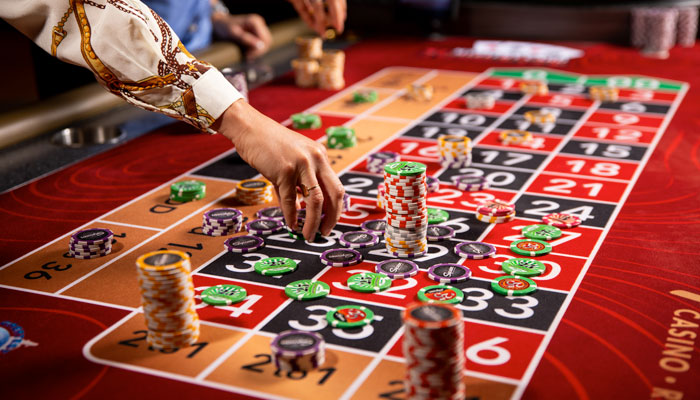
In ancient Rome, for instance, gambling was a popular pastime, with individuals wagering on chariot races and gladiatorial contests. This historical context illustrates that the desire to take risks and win rewards is deeply embedded in human nature, paving the way for the evolution of modern casinos that we know today.
The Rise of Formal Casinos in Europe
The 17th century marked a significant turning point in the evolution of casinos, particularly in Europe. The first recognized casino, the Casino di Venezia, opened its doors in Italy in 1638, creating a blueprint for future establishments. This period saw the blending of social and gaming activities, where nobility and commoners gathered to indulge in games of chance amidst opulent surroundings.
As the concept of casinos spread across Europe, countries like France and Austria developed their own gaming houses, each reflecting local culture and architectural styles. The emergence of games such as roulette and baccarat during this era further solidified the casino’s role as a central social hub, attracting people from various walks of life.
The American Casino Boom
The establishment of casinos in the United States began in the early 20th century, with Nevada emerging as the epicenter of gambling culture. Las Vegas, in particular, became synonymous with the casino experience, characterized by lavish resorts and extravagant entertainment options. The legalization of gambling in Nevada in 1931 catalyzed a transformation, attracting tourists eager to partake in the excitement of gaming.
The post-World War II era saw a rapid expansion of the casino industry, influenced by a booming economy and changing social norms. Iconic establishments like The Sands and The Flamingo became landmarks, symbolizing the glamour and allure of Las Vegas. This casino boom not only shaped the economic landscape of Nevada but also influenced gambling trends worldwide.
Modern Innovations in Casino Design
Today’s casinos are a testament to architectural innovation and technological advancements. Modern establishments are designed to create immersive environments, incorporating elements that enhance the gaming experience. From sophisticated lighting systems to interactive gaming machines, casinos now prioritize guest engagement in every aspect of their design.
Furthermore, the integration of technology has revolutionized the way patrons interact with games. Digital interfaces and mobile applications allow for seamless play, while virtual reality experiences are beginning to emerge as a new frontier in casino gaming. These innovations reflect an ongoing trend towards creating spaces that appeal not only to traditional gamblers but also to a tech-savvy generation seeking new forms of entertainment.

Exploring the Future of Casinos
As we look to the future, the casino industry continues to evolve in response to shifting consumer preferences and advancements in technology. The rise of online casinos and cryptocurrency gambling is reshaping the landscape, offering players more convenience and options than ever before. This trend signifies a notable shift towards digital platforms, enabling players to enjoy their favorite games from anywhere in the world.
Additionally, the ongoing focus on responsible gaming and enhanced security measures indicates a commitment to fostering a safe and enjoyable environment for all patrons. As casinos adapt to these changes, they remain pivotal in shaping entertainment and social dynamics, ensuring their relevance in a rapidly changing world.